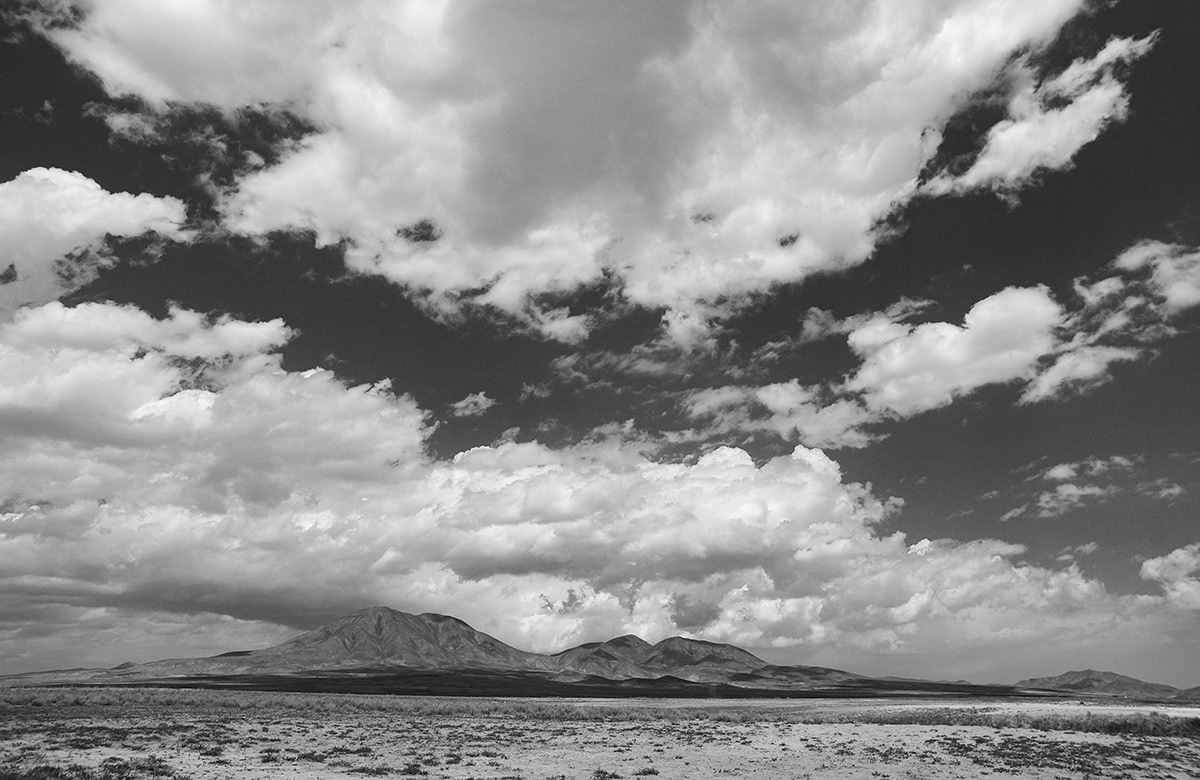
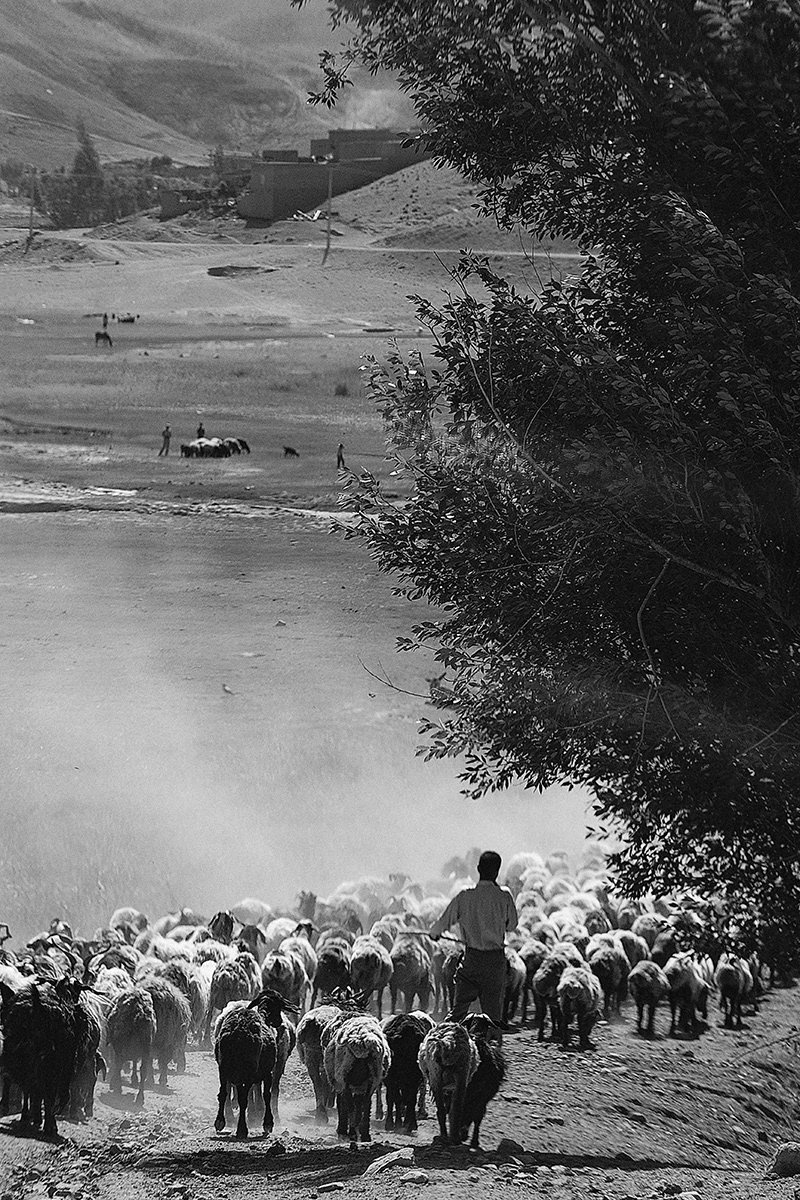
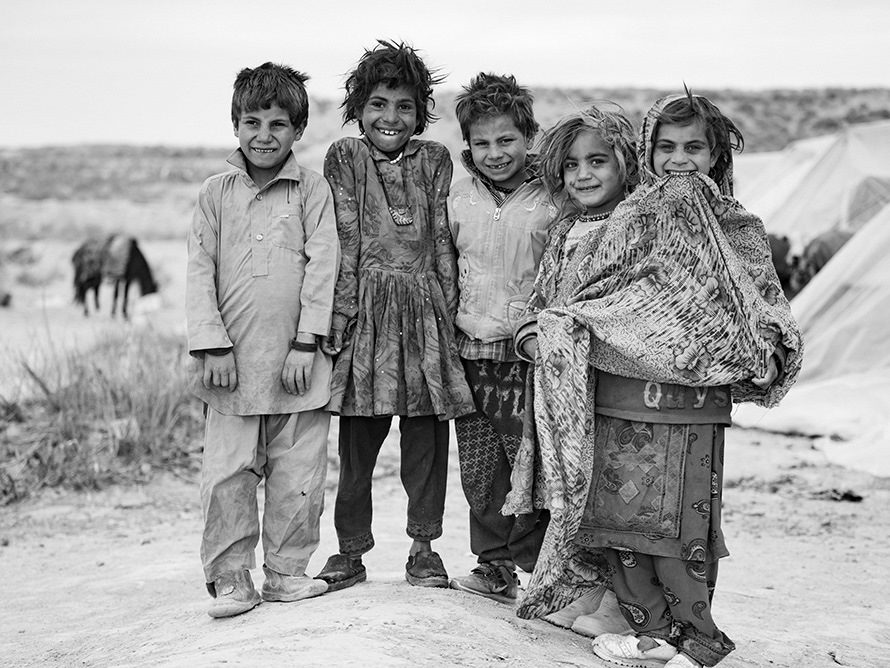
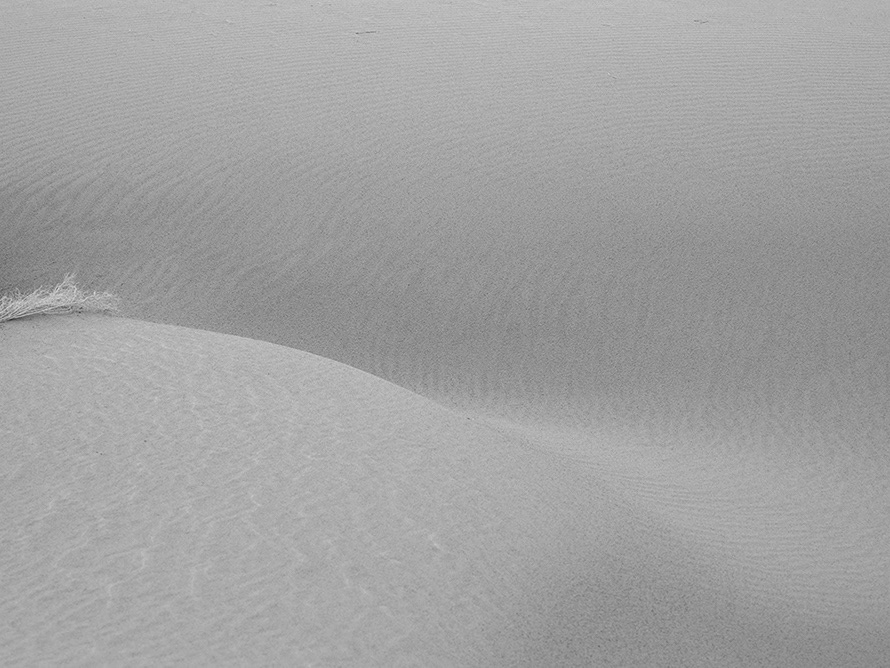
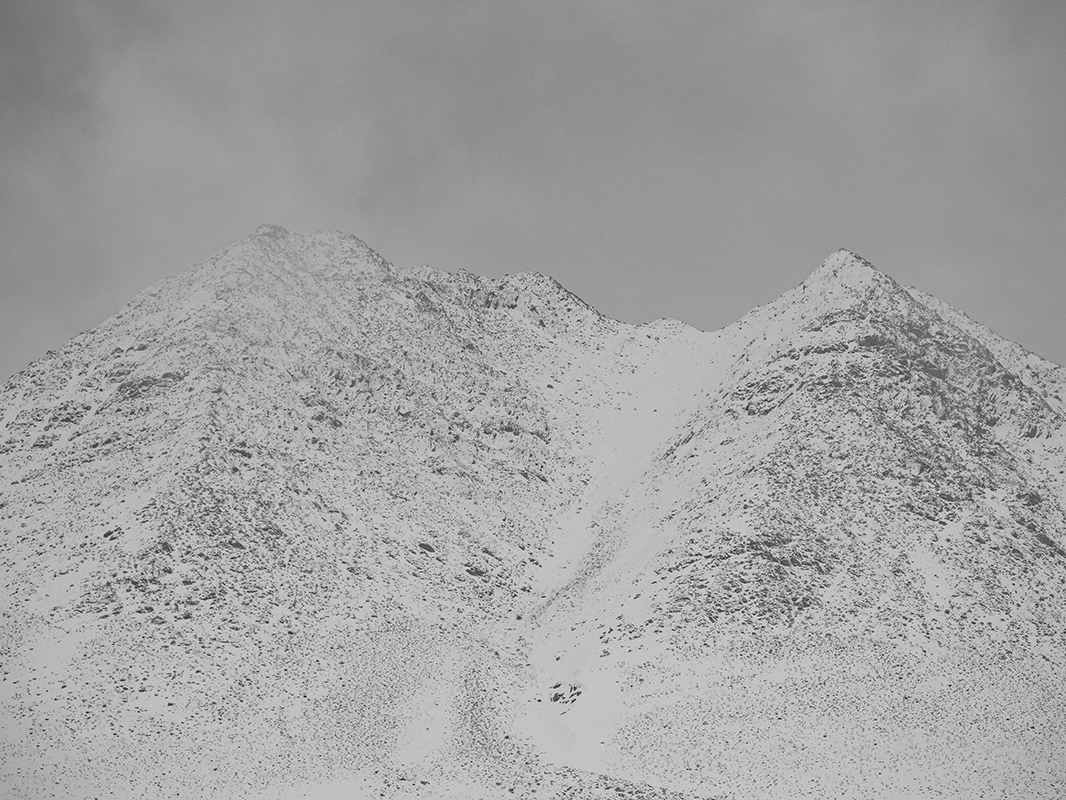
Soltan Meydan is a village of about 800 inhabitants in the province of Razavi Khorasan in northeastern Iran. The landscape is characterized by long, hot summers (up to 38°C) and dry, cold winters (down to −26°C). Located not far from the Yengije reservoir, the people live from wheat farming, their sheep herds, and, on a small scale, from fishing.
Soltan Meydan is considered a hub for the surrounding villages. The approximately 230 families are closely connected through marriage and agriculture.
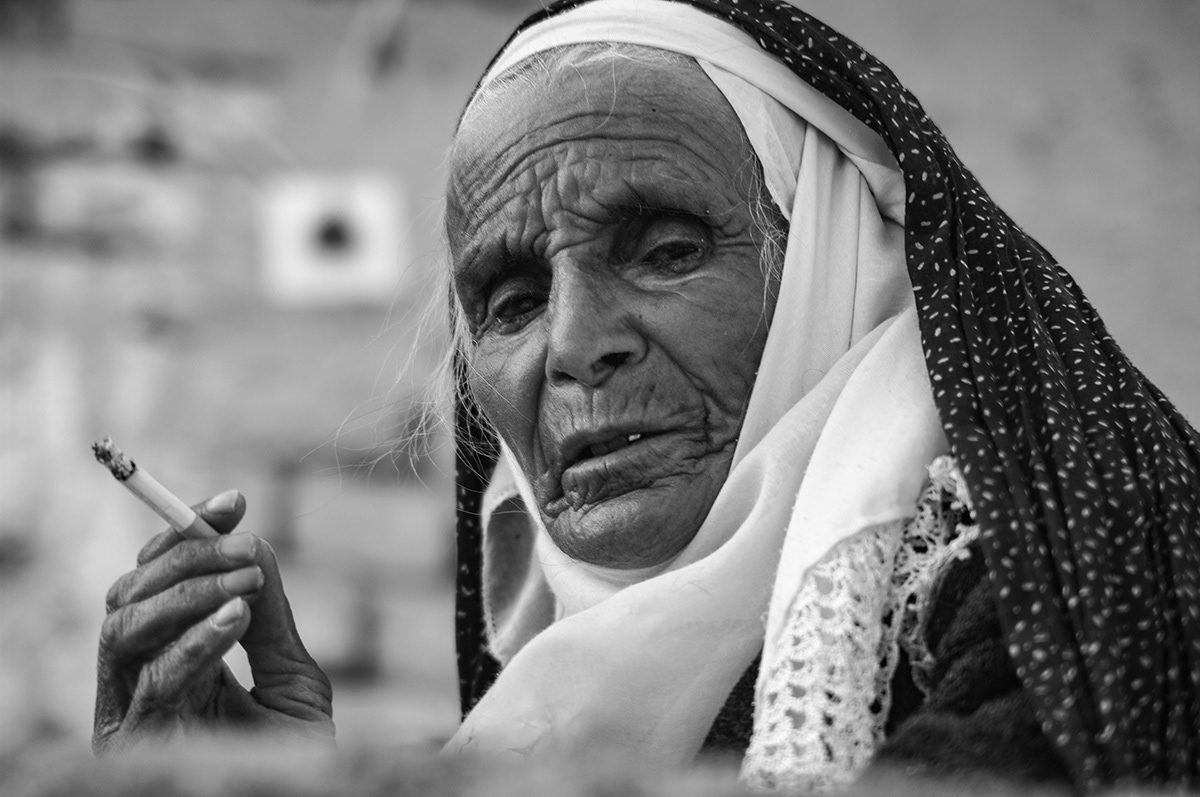
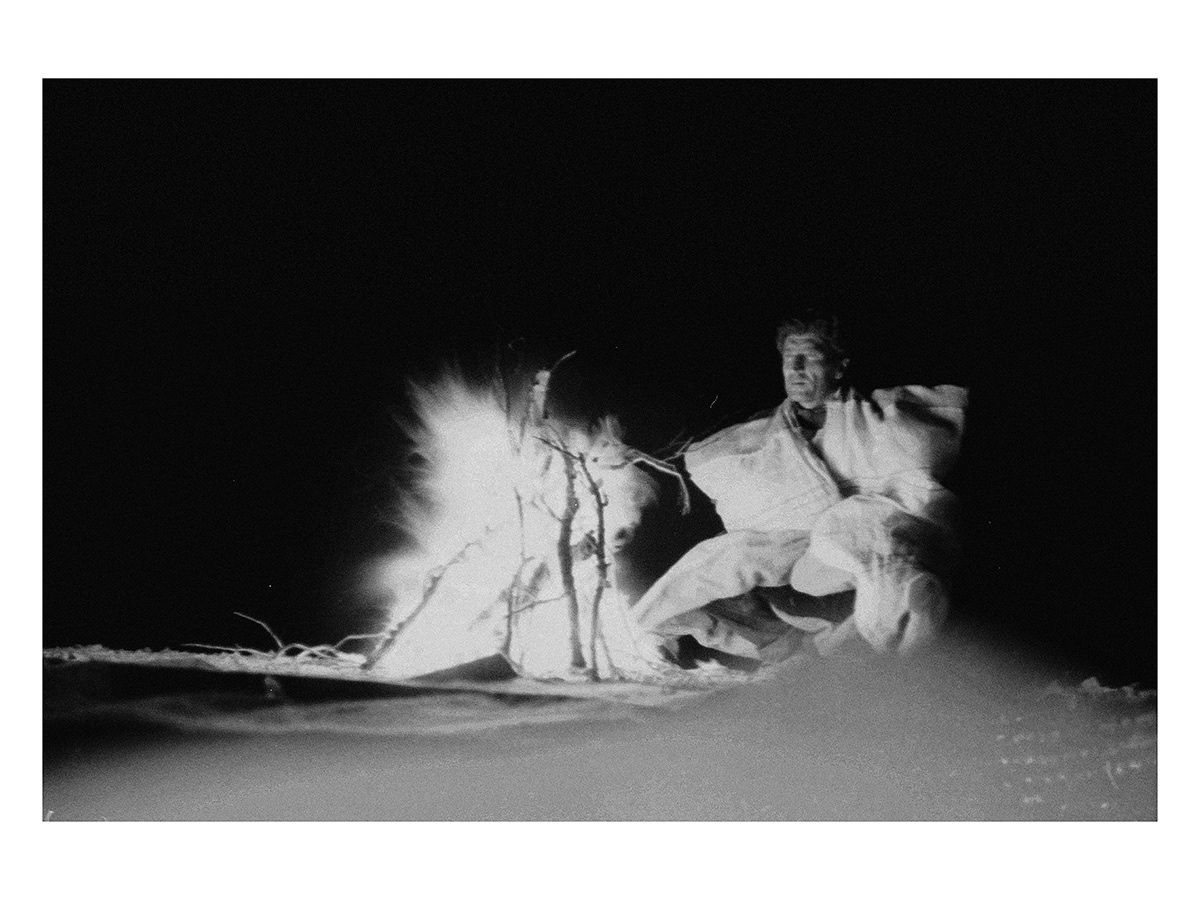
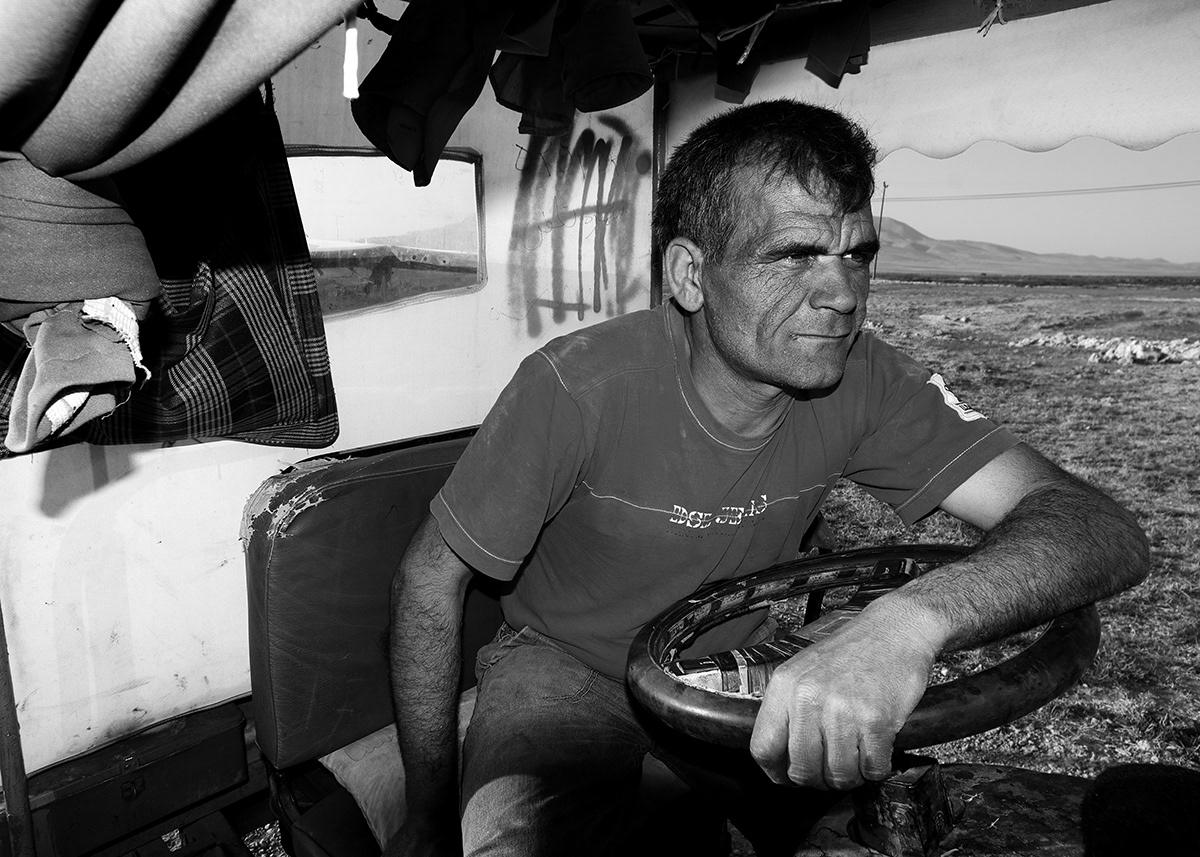
On his first journey to this rural area, Basim Ghomorlou made contact with a shepherd from Soltan Meydan who accompanied him to the reservoir. That night by the lake, one of the first photographs of life in Soltan Meydan was taken 25 years ago (Photo No. 01). Since then, he has visited the villagers several times a year: he lived with them, accompanied the shepherds, and witnessed marriages being celebrated and new houses being built.
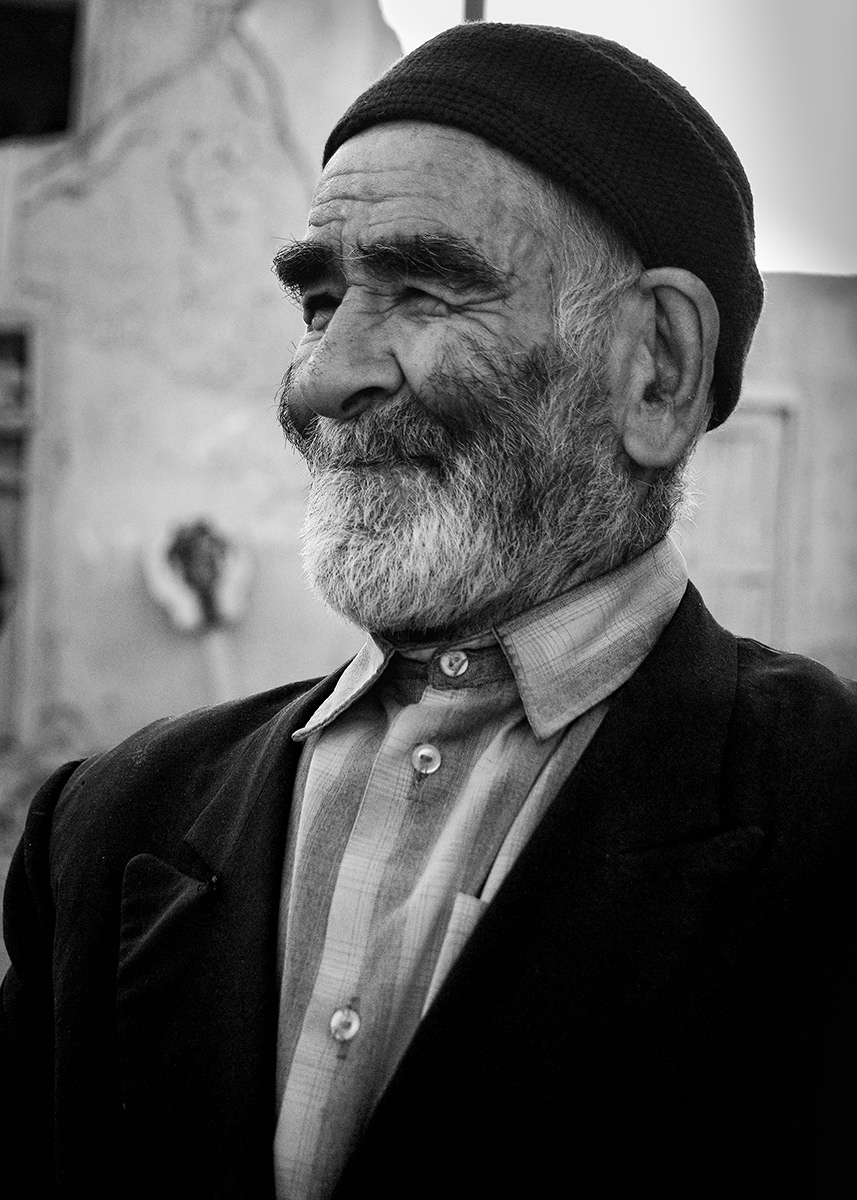
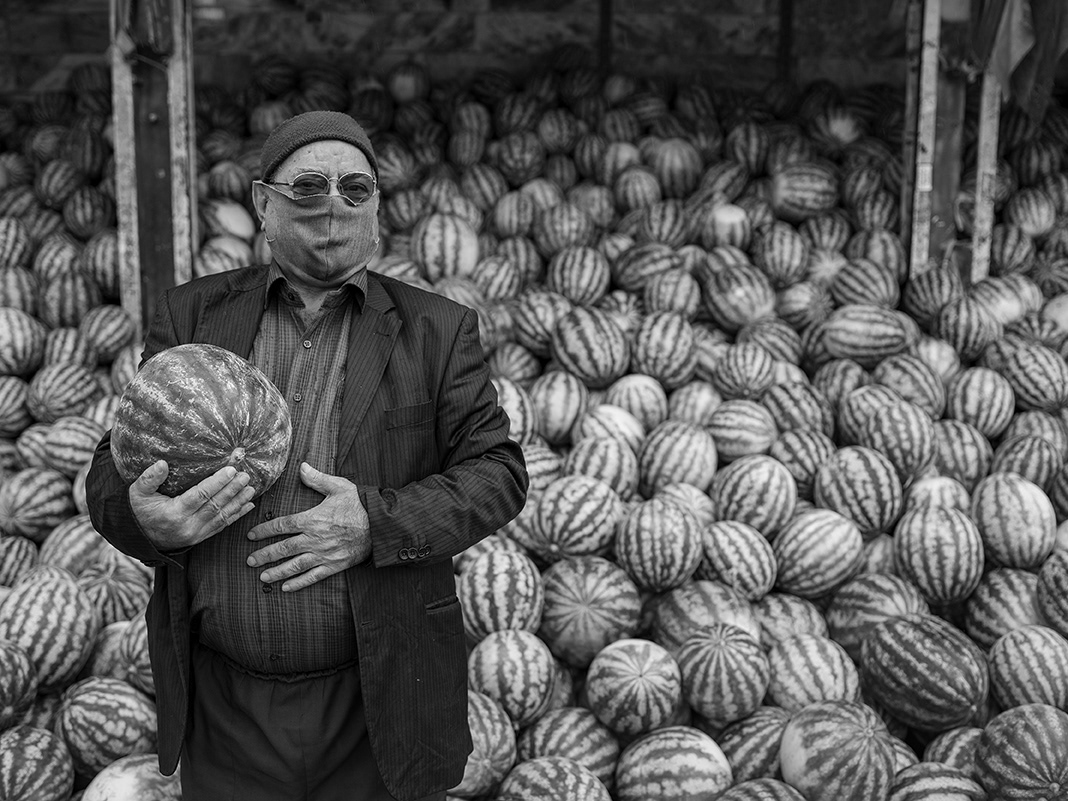
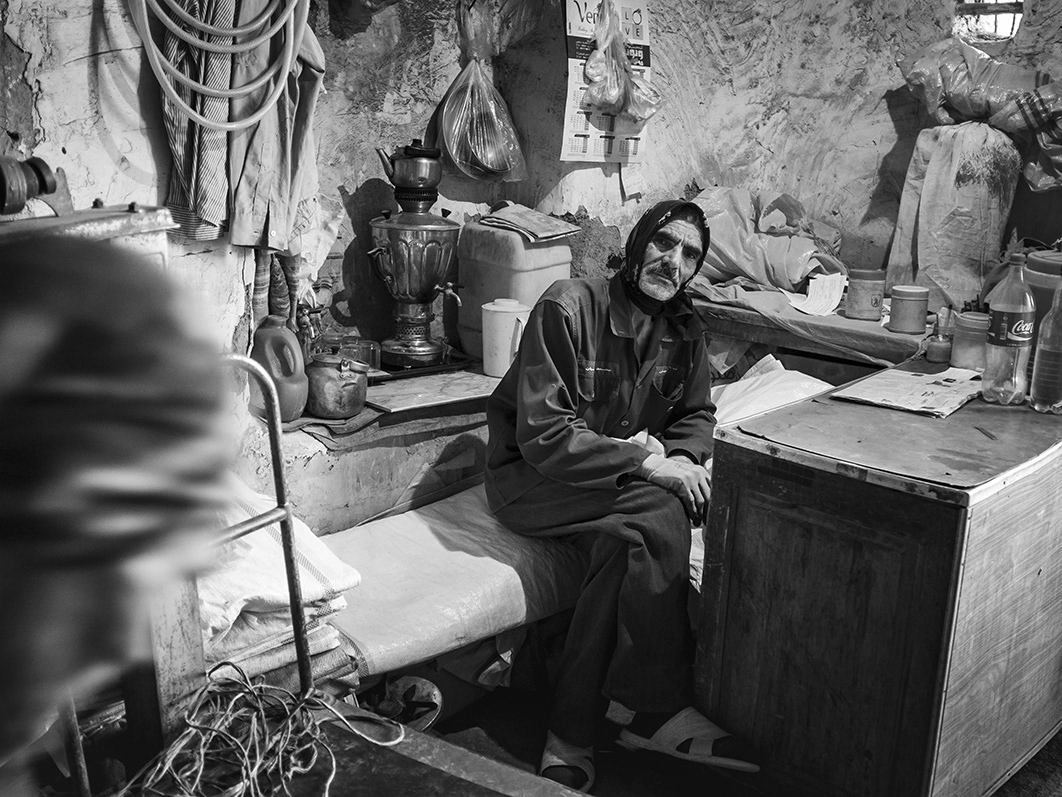
After ten years, during which the village community regularly welcomed him, he shared his photographs with them in the form of an exhibition. Ghomorlou had his works mounted in large format on wooden panels and transported them to the village, where he installed them on the façades of the mud houses. The villagers reacted with amusement and curiosity, sharing memories. One of the oldest residents (Photo No. 17) commented: “This is us. This is our life.”
A large part of the photographs from this exhibition in Soltan Meydan is currently on view at the Frobenius Institute for Cultural Anthropological Research. The project is being shown outside Iran for the first time.
Ghomorlou remains in close contact with the residents of the village.